
The conversation on roofing material starts after a leak, a storm, or yet another repair bill. The roof may have served the home well for years, but repeated maintenance has a way of changing the discussion. At some point, the question shifts from “How do we fix this?” to “How do we avoid dealing with this again?”
That shift is one reason metal roofing in York, PA, continues to attract attention among property owners thinking beyond the next repair.
Three System Types, Three Different Decisions
Not all metal roofing is the same, and the first decision a buyer faces is which system fits the property.
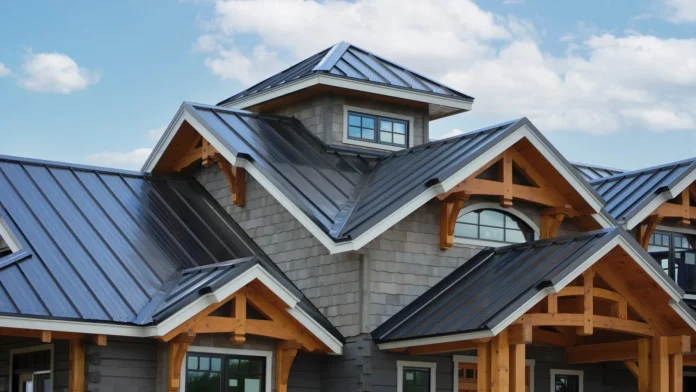
Standing seam panels interlock along raised ridges with no exposed fasteners, making them one of the cleaner options for water resistance and longevity.
Exposed fastener panels are attached with visible screws and cost less upfront, though the fasteners themselves are the component most likely to need attention over time.
Metal shingles mimic the look of asphalt, slate, or wood shake and are often chosen by homeowners where neighborhood appearance or HOA guidelines matter.
Each system differs in installation method, maintenance profile, and price, so narrowing the choice early shapes everything that follows.
Weather Has a Way of Testing Every Roof
Roofs in Pennsylvania experience rain, wind, snow, ice, and summer heat. The weather places significant demands on roofing materials. Most homeowners understand this in theory. But they see it more clearly when an aging roof begins showing signs of wear after repeated exposure to those conditions.
What often appeals to homeowners considering metal roofing is not that it is immune to weather. No roofing system is. Rather, it is the reputation for durability that draws interest when replacement becomes necessary.
The goal for many property owners is not finding a roofing material that never needs attention. It is choosing one that may require less intervention over time.
Two Questions That Come Up Every Time
Two objections appear in almost every metal roofing conversation, and both deserve a direct answer.
The first is noise. Metal does amplify rain on an open structure like a barn, but residential installations are applied over solid decking with underlayment and insulation already in place. That layering absorbs sound to the point where most homeowners report no meaningful difference from an asphalt roof during a storm.
The second is lightning. Metal roofing does not increase the likelihood of a lightning strike. Lightning seeks the path of least resistance to ground, which is determined by height and surrounding conductors, not roofing material. The relevant safety standard, NFPA 780, does not require additional protection for metal roofs on residential structures.
Longevity Enters the Discussion
Roof replacement is a major investment. This naturally causes homeowners to think about how long that investment may last. Most metal roofing systems carry manufacturer warranties ranging from 40 to 50 years, and many installations remain in service longer than that. By comparison, standard asphalt shingles are typically rated for 20 to 30 years under normal conditions.
For some households, that broader perspective becomes more important than the initial price tag. A roof is rarely evaluated in isolation. It is part of the overall cost of maintaining a home over many years.
Maintenance Expectations Matter
Many roofing decisions come down to everyday practicality. Homeowners often ask what kind of attention a roof is likely to need after installation. Will repairs become frequent? Are certain materials more vulnerable to weather exposure? How often should inspections be performed?
One maintenance consideration specific to Pennsylvania is snow management. Metal sheds accumulated snow quickly, which is an advantage in terms of load, but sheets of sliding snow above a doorway or walkway present a real hazard. Snow guards, devices fastened to the roof surface to slow and distribute snow release, are a standard solution and should be factored into any metal roofing installation in this region.
Questions like these help explain why metal roofing in York, PA, is often considered by homeowners who plan to remain in their homes for the foreseeable future. They are not simply comparing products. They are thinking about maintenance demands years down the road.
That does not mean metal is automatically the right choice for every property. It does mean durability and maintenance expectations frequently become part of the decision-making process.
Appearance Is No Longer an Afterthought
Some people still picture metal roofs exactly as they looked decades ago. However, today’s systems offer a much wider range of styles, colors, and profiles than many homeowners expect. As a result, the conversation is no longer limited to performance alone. Curb appeal often becomes part of the discussion as well.
Homeowners balancing aesthetics with durability frequently discover more flexibility than anticipated when exploring available options.
Looking Beyond the Next Storm
Replacing a roof is often driven by an immediate need. A leak appears. Storm damage occurs. Materials begin to fail. Yet long-term decisions are rarely based solely on what happened yesterday.
Many people researching metal roofing in York, PA, are thinking ahead. They want to understand how a roofing system may perform through future seasons, future storms, and future maintenance cycles. They are evaluating reliability as much as they are evaluating materials.
For homeowners taking that broader view, metal roofing has become a consideration not because it eliminates every roofing concern, but because it aligns with a long-term approach to protecting the home.