
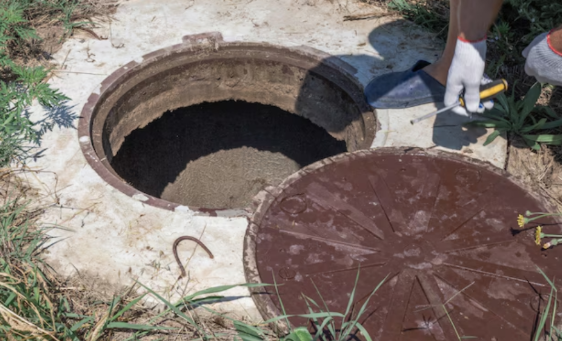
A septic system is an important part of many homes that are not connected to a city sewer line. It helps treat and manage household wastewater safely. However, like any system, it needs proper care and maintenance to work well. One of the most important maintenance tasks is septic tank emptying. This process plays a key role in keeping your system efficient, safe, and long-lasting.
Understanding How a Septic System Works
A septic system collects wastewater from your home, such as water from toilets, sinks, and showers. This wastewater flows into a septic tank, where solid waste settles at the bottom and forms sludge. Grease and lighter materials float to the top, forming a layer called scum. The middle layer, which is relatively clear water, flows out into a drain field for further natural treatment.
Over time, the sludge and scum layers build up inside the tank. If they are not removed, they can cause serious problems. This is where septic tank emptying becomes essential.
Why Septic Tank Emptying Is Important
Septic tank emptying removes the accumulated sludge and scum from the tank. Without regular emptying, the tank becomes too full and can no longer separate waste properly. This reduces the efficiency of the entire system.
When the tank is full, solid waste may flow into the drain field. This can clog the soil and prevent proper drainage. As a result, wastewater may back up into your home or create unpleasant smells around your property. Regular septic tank emptying helps prevent these issues and keeps the system running smoothly.
Improving System Efficiency Through Regular Maintenance
A well-maintained septic system works more efficiently and lasts longer. When sludge is removed regularly, there is more space for wastewater to separate properly inside the tank. This improves the treatment process and reduces stress on the drain field.
Septic tank emptying also helps maintain a healthy balance inside the system. When waste is allowed to build up for too long, it can disturb the natural bacteria that break down solids. These bacteria are essential for the system to function properly. By removing excess waste, you help maintain a stable environment for these helpful microorganisms.
Preventing Costly Repairs and Damage
One of the biggest benefits of septic tank emptying is preventing expensive repairs. A neglected septic system can lead to blockages, leaks, and even complete system failure. Repairing or replacing a septic system can be very costly and time-consuming.
Regular emptying helps avoid these problems by keeping the tank from overflowing. It also protects the drain field from damage, which is one of the most expensive parts of the system to fix. In the long run, routine maintenance saves both money and stress.
Protecting Health and the Environment
A properly maintained septic system is also important for health and environmental safety. When a tank overflows, untreated wastewater can contaminate soil and groundwater. This can create health risks for people and animals living nearby.
Septic tank emptying reduces the risk of leaks and contamination. It ensures that wastewater is treated correctly before it returns to the environment. This helps keep your surroundings clean, safe, and hygienic.
Conclusion
Septic tank emptying is a simple but very important part of maintaining a healthy septic system. It improves efficiency, prevents costly damage, and protects both your home and the environment. By scheduling regular emptying, homeowners can ensure their septic system continues to work properly for many years. Proper care today leads to fewer problems in the future and a more reliable wastewater system overall.