
In many parts of the country, air conditioning is something homeowners think about for a few months each year.
But Lumberton is different.
By late spring, cooling systems across Southeast Texas are already seeing regular use. Before long, the combination of heat and Gulf Coast humidity settles in, and air conditioners begin carrying a workload that can last well into the fall. For homeowners, this extended cooling season leaves little room for a system that is already struggling.
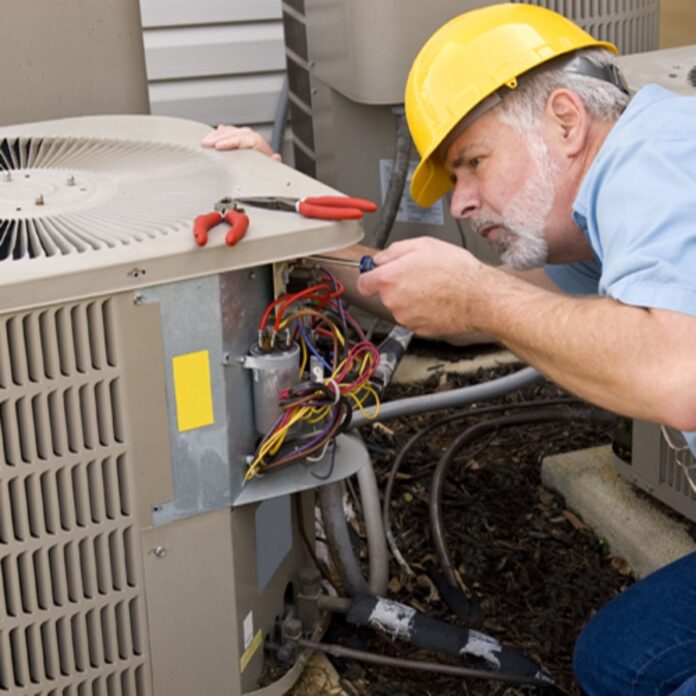
That’s why many people schedule a visit with an HVAC contractor in Lumberton, TX, before summer arrives. The goal is not merely to avoid breakdowns. It’s understanding how the house and the HVAC system will perform once temperatures climb and humidity becomes a daily reality.
Onset of Summer May Uncover HVAC Issues
The first hot day of the year usually reveals problems with the HVAC system. A homeowner might notice that certain rooms never seem as comfortable as the rest of the house. Another may find that the air conditioner runs much longer than it did a few years ago. Sometimes the first sign is a utility bill that feels out of proportion to the weather.
These issues often begin long before summer.
Restricted airflow, dirty coils, aging components, and duct leaks can remain unnoticed during mild weather. Once outside temperatures move into the 90s, the system no longer has the luxury of easy conditions. Small inefficiencies become much more noticeable.
Scheduling a professional evaluation in early spring, before the first heat arrives, gives homeowners time to address these concerns without the urgency of an active heat wave.
That’s why an experienced HVAC contractor in Lumberton, TX, typically looks beyond the thermostat when evaluating a system.
Humidity Changes the Conversation
Comfort involves more than temperature. Lumberton experiences long periods of elevated humidity throughout the cooling season. A house may technically reach the desired temperature while still feeling uncomfortable inside. The air feels heavy. Bedding feels slightly damp. Rooms don’t seem as crisp as they should.
In situations like these, the issue is not always a lack of cooling. Contractors often evaluate how effectively the system removes moisture from indoor air. Equipment sizing, airflow, and overall system performance all influence humidity control. The condensate drain line also plays a direct role. When it becomes blocked, which is a common occurrence in systems that run frequently, moisture backs up, humidity levels inside the home rise, and the system may shut down entirely to prevent overflow damage. A house that feels sticky in June often tells a different story than one that’s simply warm.
Ductwork Has a Bigger Impact Than Many Homeowners Realize
Homeowners tend to focus on the outdoor unit because it’s the most visible part of the system. Yet comfort complaints frequently lead technicians elsewhere. Leaking ducts, airflow restrictions, disconnected sections, and poorly balanced distribution systems can all affect how cool air moves through the house.
When leaks are identified, duct sealing restores the pressure and airflow the system was designed to deliver. In some cases, duct testing is used to measure how much conditioned air is being lost before it reaches the living space. This is a step that takes the guesswork out of diagnosing uneven comfort or unexplained efficiency losses.
During a cooling season that stretches across much of the year, even small airflow issues can gradually affect comfort and efficiency. An HVAC contractor in Lumberton, TX, often spends as much time evaluating how air travels through the home as assessing the equipment itself.
Looking at the House as a Whole
Two homes may have identical air conditioning systems but perform completely differently. Sun exposure, insulation levels, attic temperatures, window placement, and air leakage each influence how hard a system must work. What appears to be an equipment problem sometimes originates elsewhere.
Replacing filters on a regular schedule, typically every one to three months depending on household conditions, is one of the simplest ways homeowners can support system performance between professional visits.
That broader perspective becomes especially important in Southeast Texas, where cooling systems face months of demanding operating conditions.
Conclusion
It is important to understand how the entire HVAC system is likely to respond once heat and humidity become part of everyday life. For many homeowners, working with an HVAC contractor in Lumberton, TX, before the season begins provides the opportunity to address small concerns before they become major interruptions during the hottest months of the year.